






Webinar

Advancing single‑cell RNA‑seq: Optimizing tissue dissociation with enzyme mix

Explore how to overcome challenges and streamline your workflow to maximize cell viability

24 March 2026, 2.00 PM SGT

Fill out the form to register for the webinar

By attending, you confirm you are not located in or a national of a sanctioned country or region, are not a restricted party, and acknowledge that this training may include content subject to U.S. and other export control and sanctions laws. Sharing the content, whether verbally, visually, electronically, or via screen-sharing during webinars must comply with these laws. Allowing unauthorized or restricted individuals to view or participate is a violation and may result in civil and/or criminal penalties.

Webinar

It’s a match: cell line engineering for AAV manufacturing expands the options for therapeutic programs

Join us on our webinar: Reduce footprint and costs in your buffer preparation process

12 September, 2024

Complete the form to download your application note

By attending, you confirm you are not located in or a national of a sanctioned country or region, are not a restricted party, and acknowledge that this training may include content subject to U.S. and other export control and sanctions laws. Sharing the content, whether verbally, visually, electronically, or via screen-sharing during webinars must comply with these laws. Allowing unauthorized or restricted individuals to view or participate is a violation and may result in civil and/or criminal penalties.

Single‑cell RNA sequencing (scRNA‑seq) delivers unprecedented insights into cellular heterogeneity, but high‑quality results depend on generating intact, viable, and unbiased single‑cell suspensions. This requires gentle yet effective tissue dissociation, minimal cellular stress, preservation of transcriptional states, and removal of debris, dead cells, and doublets. When these steps fall short, researchers risk stress‑related gene expression artifacts, RNA degradation—ultimately compromising data accuracy and biological interpretation.

In this webinar, we will be sharing how enzyme mix supports diverse tissue types and accommodate both cold and warm dissociation strategies to protect RNA integrity as well as to maximize performance in both manual and automated tissue dissociation with reference to successful case studies.

Join us to discover how you can overcome common dissociation challenges and achieve more reliable single‑cell and multi‑omics data with confidence:

  • Essential prerequisites for successful scRNA‑seq sample preparation
  • Performance and tissue‑specific advantages of the dissociation enzyme mix
  • How integrating enzyme mixes with tissue dissociation supports in your workflow produces consistent, high‑quality single‑cell suspensions across multiple tissue types
  • Showcasing success stories of streamlined workflows and enhanced scalability

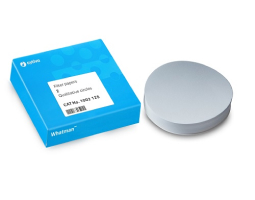
SUPRAdisc™ II depth filter modules

Next generation in depth filter module technology for bioprocess clarification applications.

The SUPRAdisc™ II module design combines the filtration performance of Seitz™ media and the structural robustness of interlocking dual drainage plates.

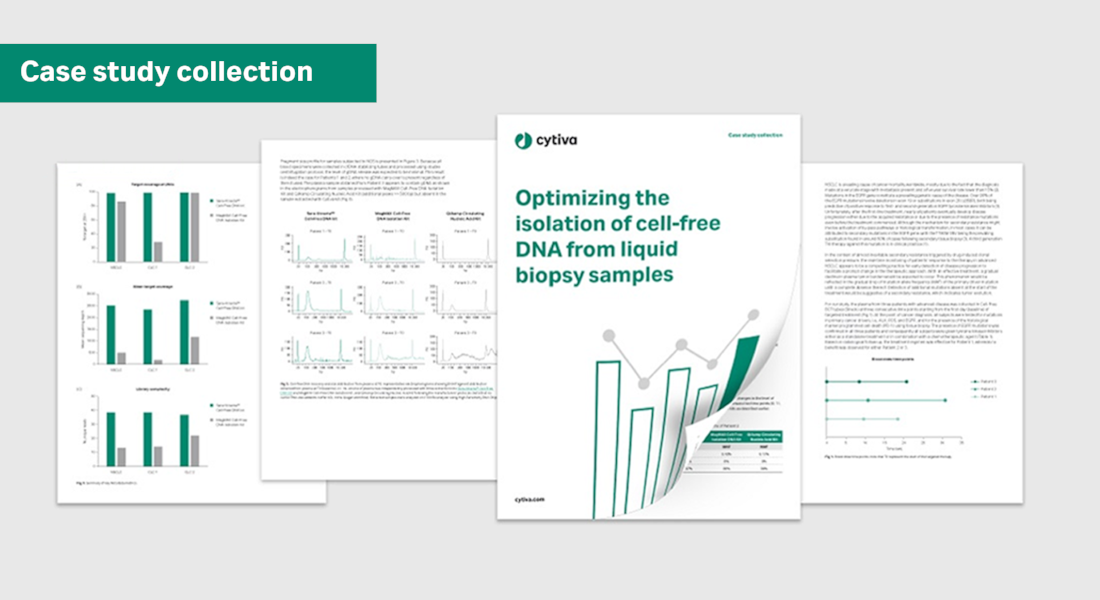
Download this collection of case studies to discover how, using a liquid biopsy sample, you can:

  • Monitor therapeutic response in non-small cell lung cancer
  • Detect cancer-associated mutations and identify therapeutic targets
  • Effectively capture cfDNA with minimal co-purification of higher molecular weight DNA

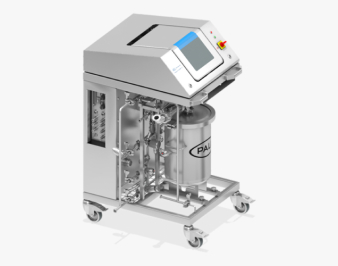
Webinar: Dilute buffer on demand

Additional resources carousel

Description