""

Dissociation enzyme mix – sample referral program

Refer a friend or colleague and both receive a free sample pack

Request a sample or support

Dissociation enzyme mix – sample referral program

Refer a friend or colleague and both receive a free sample pack

Subtitle

Simplified tagged protein purification and tag removal

With Cytiva™ Protein Select™ resin and tag

Optimize tissue dissociation with our enzyme mix

Request a sample pack

Request a sample pack to try it out

Choose from the following kit options:
  • Dissociation mix A​ for lung dissociation​
  • Dissociation mix B​ for liver dissociation​
  • Dissociation mix C​ for brain dissociation​
  • Dissociation mix D​ for Kidney dissociation​

Enter your details below

† Performance data is not yet available for Enzyme mix D (kidney) using manual methods or at temperatures of 37°C. Enzyme mix B (liver) is recommended for use at 37°C as liver is very sensitive to cold. Data is available for all other enzymes in the range.

SUPRAdisc™ II depth filter modules

Next generation in depth filter module technology for bioprocess clarification applications.

The SUPRAdisc™ II module design combines the filtration performance of Seitz™ media and the structural robustness of interlocking dual drainage plates.

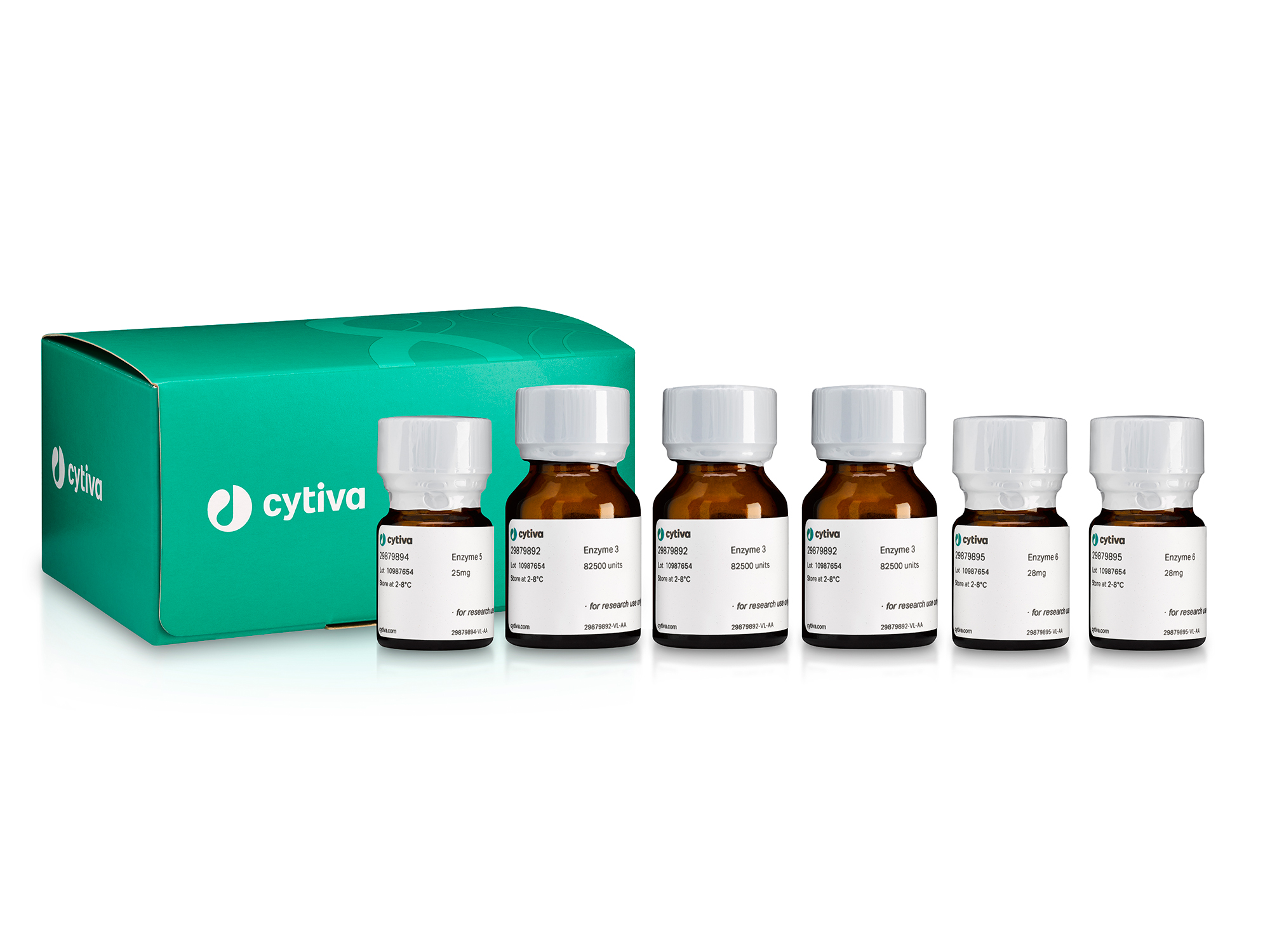
Our dissociation enzyme mixes are optimized for the dissociation of mouse lung, liver, brain and kidney tissue at specific temperatures with both semi-automated methods using the VIA ExtractorTM tissue disaggregator and with manual dissociation methods.

What makes it effective: :

  • Designed for specific tissue types – Enzymes tested to an optimal level of performance for each tissue type for improved viability and yield and minimal cellular aggregation, reducing the risk of poor results in downstream applications.
  • Work effectively at 4°C and 37°C - Preliminary research has shown that cold-acting enzymatic dissociation reduces cell stress therefore minimizes cell death and improves the transcriptional profile of the single cells.
  • For use with manual methods or semi-automation – Compatible with your chosen dissociation method, including the VIA Extractor™ tissue disaggregator, for flexibility.
  • Ready-made solution - Save the time and cost of sourcing and mixing individual components for homebrew mixes.

What’s the state of sustainability for biopharma?

We heard from 800 biopharma leaders for our Sustainability Review.

The future of mRNA manufacturing is rolling in

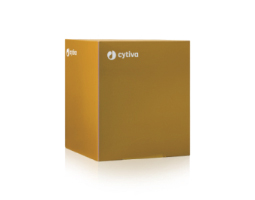
We’re bringing our KUBio box trailer mRNA facility to you.

E-learning: Get started: single-cell analysis

This free online course explains single-cell analysis with a focus on the single-cell RNA sequencing (scRNA-seq) workflow.

Key learnings:

  • Current and future potential of single-cell analysis
  • Methods and protocols for scRNA-seq
  • Main considerations for the scRNA-seq workflow.

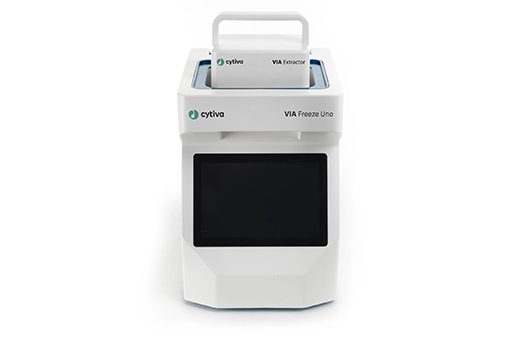
VIA Extractor™ * tissue disaggregator

Semi-automated system for consistent, rapid disaggregation of solid tissue, including tumors, into viable single cells. For use in high-throughput omics and flow cytometry research, the closed system uses mild processing to optimize yield and preserve content relative to the parent sample.
  • Mild processing optimizes cell viability and yield and preserves content relative to the parent sample.
  • Standardized, automated process reduces sample-to-sample variation.
  • Disaggregates solid tissue to single cell suspension in as little as ten minutes.
  • Adjust the processing speed, temperature and time settings using the VIA Freeze™ Uno controlled-rate freezer to optimize results dependent on sample type and size.
  • Process up to three samples in parallel in single-use pouches, minimizing the risk of contamination.

Product specifications

ÄKTA go™ protein purification system

Throughput Up to 300 units per load / 1200 units per 8-hour shift
Pump type Peristaltic pump
Fill Volume Range 1.0 – 50 mL
In-process control Programmable up to 100% of units
Product contact materials Single-use flow path assembly
Interior classification ISO 5 / Grade A
Cleanroom classification ISO 8 / Grade D
Dimensions 1.7 x 1.5 x 2.2 m (5’6” x 4’9” x 7’2”)
Required cleanroom space 15m² (160 sq. ft.)
Electrical 208–240 VAC, single phase, 50–60 Hz, FLA 36

Praesent lacus arcu, mollis ut volutpat pharetra, vulputate quis massa. Nam interdum fringilla bibendum. Maecenas non odio dui. Suspendisse eros ex, ullamcorper et dui non.

Sed feugiat libero eu turpis tincidunt iaculis. In vel aliquam est, at porta neque. Donec hendrerit ultrices consectetur. Integer feugiat massa quis arcu ullamcorper, tristique facilisis massa feugiat. Phasellus risus mauris, pretium vitae tortor non, tristique fringilla tortor. Aliquam volutpat eros ac risus consectetur, quis gravida erat lobortis. Quisque id rutrum enim, sed fermentum nisl. Nulla volutpat turpis ac ligula venenatis maximus. In non dui ante. Sed ullamcorper quis nisi.


Morbi faucibus sit amet dolor sit amet cursus. Quisque vulputate tellus in magna eleifend, ut luctus orci commodo.
Praesent tellus neque, maximus sit amet mauris in, fermentum pharetra ante. Sed sit amet nibh commodo, fringilla lectus ac, dictum velit. Aliquam cursus feugiat congue. Aenean sit amet enim massa. Praesent mollis sagittis est, ut accumsan eros lobortis id. Maecenas at libero ex. Proin quis est vitae tortor ullamcorper pretium eu non nunc. Quisque at lacus accumsan, finibus sapien ac, viverra ligula. Donec commodo bibendum elit sit amet posuere. Curabitur rutrum pharetra nisl, vitae tincidunt ante consectetur et.

Morbi faucibus sit amet dolor sit amet cursus. Quisque vulputate tellus in magna eleifend, ut luctus orci commodo.

Praesent tellus neque, maximus sit amet mauris in, fermentum pharetra ante. Sed sit amet nibh commodo, fringilla lectus ac, dictum velit. Aliquam cursus feugiat congue. Aenean sit amet enim massa. Praesent mollis sagittis est, ut accumsan eros lobortis id. Maecenas at libero ex. Proin quis est vitae tortor ullamcorper pretium eu non nunc. Quisque at lacus accumsan, finibus sapien ac, viverra ligula. Donec commodo bibendum elit sit amet posuere.

Praesent lacus arcu, mollis ut volutpat pharetra, vulputate quis massa. Nam interdum fringilla bibendum.

Sed feugiat libero eu turpis tincidunt iaculis. In vel aliquam est, at porta neque. Donec hendrerit ultrices consectetur. Integer feugiat massa quis arcu ullamcorper, tristique facilisis massa feugiat. Phasellus risus mauris, pretium vitae tortor non, tristique fringilla tortor. Aliquam volutpat eros ac risus consectetur, quis gravida erat lobortis. Quisque id rutrum enim, sed fermentum nisl. Nulla volutpat turpis ac ligula venenatis maximus. In non dui ante.

Morbi faucibus sit amet dolor sit amet cursus. Quisque vulputate tellus in magna eleifend, ut luctus orci commodo.

Praesent tellus neque, maximus sit amet mauris in, fermentum pharetra ante. Sed sit amet nibh commodo, fringilla lectus ac, dictum velit. Aliquam cursus feugiat congue. Aenean sit amet enim massa. Praesent mollis sagittis est, ut accumsan eros lobortis id. Maecenas at libero ex. Proin quis est vitae tortor ullamcorper pretium eu non nunc. Quisque at lacus accumsan, finibus sapien ac, viverra ligula. Donec commodo bibendum elit sit amet posuere. Curabitur rutrum.

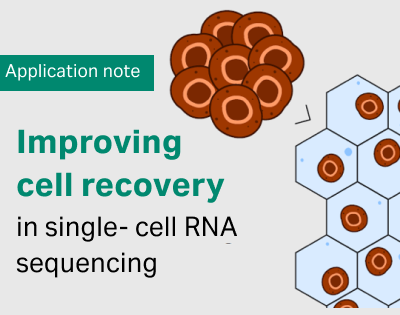
Improving cell recovery in single-cell RNA sequencing

Have you encountered challenges in preserving the transcriptional integrity of samples during single-cell RNA sequencing?

Our recent study demonstrates that the VIA Extractor™ disaggregator paired with HIVE scRNAseq from Honeycomb Biotechnologies outperforms gentleMACS Dissociator in recovering a higher number of cells from tissue samples. This allows for the preparation of higher-quality cells that provide representative single-cell data.

Download

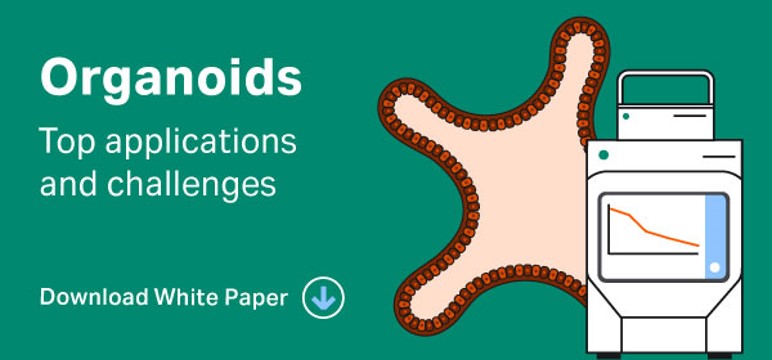
Ready to demystify organoids?

Discover the top five applications for organoids, a typical workflow, five common challenges, and dissociation methods.

Our new whitepaper provides an overview of patient-derived organoids and their applications in biomedical research and personalized medicine. Discover how they can be used for disease modeling, drug discovery and development, and precision medicine.

Download

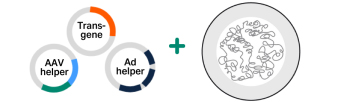
ELEVECTA™ transient cell line

Preseves flexibility while delivering excellent performance and quality - all aimed at quickly advancing candidates to clinical trials.

  • Excellent performance: Achieve high titers of infectious virus, which you can boost further by using enhancers.
  • Enhanced product quality*: Minimize DNase-resistant host cell DNA inside capsids.
  • Innovative: Access advances in cell line engineering across the entire portfolio to support transition between cell lines.
  • Collaborative: Benefit from a comprehensive suite of regulatory support services.

ELEVECTA™ packaging cell line

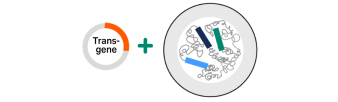
Contains all genes except the transgene; allows streamlining the screaning of assets that use the same capsid to target the same tissue type.

  • Streamlined screening: Efficiently screen multiple assets that target the same tissue type.
  • Cost-effective approach: Reduce your plasmid costs with single-plasmid transfection compared with triple transfection.
  • One cell line to clinic: Go to clinic with one cell line and simplify your regulatory asks when you’re targeting the same tissue type across your programs.

ELEVECTA™ producer cell line

Contains all genes to produce AAV; simply induce. The result is a simplified, robust, upstream process that easily scales to treat hundreds of thousands.

  • Simplified manufacturing process: Replace multi-step transfection with one-step induction.
  • Easy scalability: Scale up seamlessly to achieve large quantities of AAV material.
  • Enhanced reproducibility: Produce AAV from a monoclonal cell line, enabling batch-to-batch consistency.
  • Reduced COGS: Skip the need for transfection reagent and any plasmid DNA, which are the most expensive raw materials.

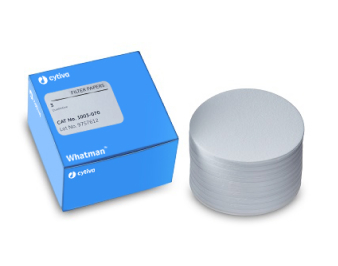
Qualitative standard filter paper [2 or 3 items]

Improving cell recovery in single-cell RNA sequencing

Have you encountered challenges in preserving the transcriptional integrity of samples during single-cell RNA sequencing? Our recent study demonstrates that the VIA Extractor™ disaggregator paired with HIVE scRNAseq from Honeycomb Biotechnologies outperforms gentleMACS Dissociator in recovering a higher number of cells from tissue samples. This allows for the preparation of higher-quality cells that provide representative single-cell data.

Ready to demystify organoids?

Discover the top five applications for organoids, a typical workflow, five common challenges, and dissociation methods.
Our new whitepaper provides an overview of patient-derived organoids and their applications in biomedical research and personalized medicine. Discover how they can be used for disease modeling, drug discovery and development, and precision medicine.

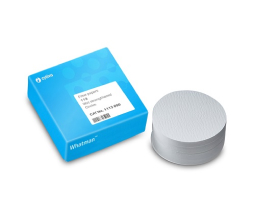
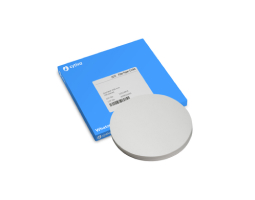
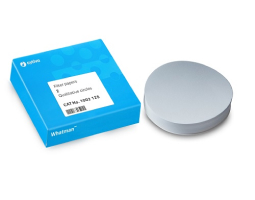
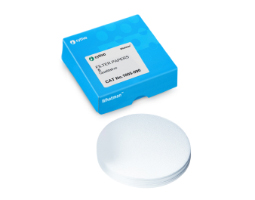
Whatman Grade 226 Qualitative Filter Papers

A general qualitative filter with creped surface. High filtration speed, faster than grade 202 and retain coarse particles gelatinous precipitates.

Qualitative standard filter paper [3 or 4 items]

Qualitative standard filter paper

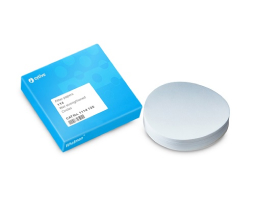
Whatman Grade 114 Qualitative Filter Papers

Whatman Grade 1575 Qualitative Filter Papers

Whatman Grade 2 Qualitative Filter Papers

Additional resources [2 or 3 items]

Improving cell recovery in single-cell RNA sequencing
Have you encountered challenges in preserving the transcriptional integrity of samples during single-cell RNA sequencing? Our recent study demonstrates that the VIA Extractor™ disaggregator paired with HIVE scRNAseq from Honeycomb Biotechnologies outperforms gentleMACS Dissociator in recovering a higher number of cells from tissue samples. This allows for the preparation of higher-quality cells that provide representative single-cell data.

Tuesday, April 30, 2024

A standard grade clarifying filter excellent for cloudy suspensions and for water and soil analysis.

Whatman Grade 226 Qualitative Filter Papers

A standard grade filter used in qualitative analytical techniques to determine and identify materials. For use in büchner funnels.

Product carousel

Description

Product Comparison

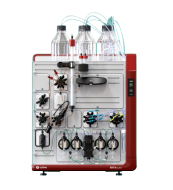
ÄKTA go™

ÄKTA go™

Achieve desired purity with ease in routine purifications – make the most of valuable bench/cold-room space

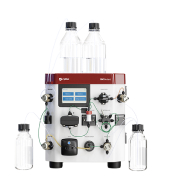
ÄKTA pure™

ÄKTA pure™

Flexibility in research – match most current and future purification challenges

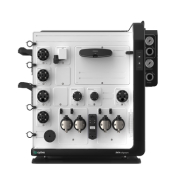
ÄKTA start™

ÄKTA start™

Entry level chromatography solution for the preparative purification of proteins in lab scale.

ÄKTA oligosynt™

ÄKTA oligosynt™

Compact, fully automated oligonucleotide synthesizer to support research and process development laboratories.

Support for affinity chromatography, ion exchange chromatography, and multimodal (mixed mode) chromatography yes yes yes yes
Support for affinity chromatography, ion exchange chromatography, multimodal (mixed mode) and size exclusion chromatography yes yes no no
Support for hydrophobic interaction chromatography yes yes yes no
Scale up, method development and optimisation using design of experiment (DoE) no yes yes yes
Automated: resin/column scouting, multistep purification, external equipment no yes no yes
Wavelength (nm) Fixed at 280nm Optional Fixed at 280, dual 260/280 or multi – up to 3 between 190-700 Fixed at 280nm Optional Fixed at 280, dual 260/280 or multi – up to 3 between 190-700
Recommended flow rate (mL/min) 0.01-25.0 0.001-25/0.01-150 0.01-25.0 0.001-25/0.01-150
Maximum operating pressure (Mpa) 5 20/5 7 20/4

    Watch the video below

    Beyond supporting your gene therapy processes with our technology and application knowledge, we're passionate about advancing solutions in areas where the status quo isn’t good enough. That's why we're excited to tell you about our ELEVECTA™ cell lines ― a significant advancement in viral vector manufacturing.

    Thank you for your interest! Here is your digital goodie bag from Cytiva.

    From posters and webinars to application notes and online learning, simply click on the links below to access some of our latest resources to support your cell and gene therapy advances.

    Agenda

    Agenda and schedules are subject to change. All times listed are in CEST.

    Monday, 3 February, 2025

    On the first day, we will welcome you all to Sweden at the site for a reception lunch. Have a bite to eat and chat with us and other attendees. Once fed and settled, we will commence the first workshops of the week. Simultaneously, a second group will be taken to the Cytiva Uppsala site to see where the magic happens.

    Time Details
    8:00 - 9:00 Registration
    9:10 - 10:40 Nestor Santiago and Gillian Goodwin Biacore™ system assay development revisited - Recipe for successful SPR data
    10:50 - 12:20 Cynthia Shuman and Eric Roush Slow and steady wins the race: Techniques for measuring slow dissociation rates using Biacore SPR system
    12:30 - 14:30 Lunch break
    14:45 - 16:00 Christin Radon and Emeric Gueneau Thinking outside 1:1 – Discover how to approach assay design for induced proximity and targeted protein degradation
    16:10 - 16:40 Anja Drescher and Mike Murphy Facilitating comparability with SPR-based surrogate potency assays and sensorgram comparison
    16:50 - 17:20 John Sinfield and Shannon Bryan Biacore™ Insight Software – A look beneath the surface: interesting facts and hidden features that will improve your workflows from start to finish

    Tuesday, 4 February, 2025

    On the second day, we will welcome you all to Sweden at the site for a reception lunch. Have a bite to eat and chat with us and other attendees. Once fed and settled, we will commence the first workshops of the week. Simultaneously, a second group will be taken to the Cytiva Uppsala site to see where the magic happens.

    Time Details
    7:00 - 8:30 Registration
    8:40 - 10:40 Nestor Santiago and Gillian Goodwin Biacore™ system assay development revisited - Recipe for successful SPR data
    10:50 - 12:20 Cynthia Shuman and Eric Roush Slow and steady wins the race: Techniques for measuring slow dissociation rates using Biacore SPR system
    12:30 - 14:30 Lunch break
    14:45 - 16:00 Christin Radon and Emeric Gueneau Thinking outside 1:1 – Discover how to approach assay design for induced proximity and targeted protein degradation
    16:10 - 16:40 Anja Drescher and Mike Murphy Facilitating comparability with SPR-based surrogate potency assays and sensorgram comparison
    16:50 - 17:20 John Sinfield and Shannon Bryan Biacore™ Insight Software – A look beneath the surface: interesting facts and hidden features that will improve your workflows from start to finish

    Wednesday, 5 February, 2025

    On the third day, we will welcome you all to Sweden at the site for a reception lunch. Have a bite to eat and chat with us and other attendees. Once fed and settled, we will commence the first workshops of the week. Simultaneously, a second group will be taken to the Cytiva Uppsala site to see where the magic happens.

    Time Details
    8:30 - 9:15 Registration
    9:25 - 10:40 Nestor Santiago and Gillian Goodwin Biacore™ system assay development revisited - Recipe for successful SPR data
    10:50 - 12:20 Cynthia Shuman and Eric Roush Slow and steady wins the race: Techniques for measuring slow dissociation rates using Biacore SPR system
    12:30 - 14:30 Lunch break
    14:45 - 16:00 Christin Radon and Emeric Gueneau Thinking outside 1:1 – Discover how to approach assay design for induced proximity and targeted protein degradation
    16:10 - 16:40 Anja Drescher and Mike Murphy Facilitating comparability with SPR-based surrogate potency assays and sensorgram comparison
    16:50 - 17:20 John Sinfield and Shannon Bryan Biacore™ Insight Software – A look beneath the surface: interesting facts and hidden features that will improve your workflows from start to finish

    Agenda single day

    Agenda and schedules are subject to change. All times listed are in CEST.

    Time Details
    8:30 - 9:00 Welcome and opening
    9:00 - 10:30 Stephan Poetsch ÄKTA™ chromatography systems family, system specifications and UNICORN with the new developments in the portfolio
    10:30 - 11:00 Break
    11:00 - 12:00 Stephan Poetsch ÄKTA™ basic care and troubleshooting - To prevent problems during protein purification
    12:00 - 13:30 Christin Radon and Emeric Gueneau Thinking outside 1:1 – Discover how to approach assay design for induced proximity and targeted protein degradation
    13:30 - 15:00 Anja Drescher and Mike Murphy Facilitating comparability with SPR-based surrogate potency assays and sensorgram comparison

    Cell therapy resources

    Regulatory: US preclinical study of cellular and gene therapies

    This free interactive course provides a high-level overview of preclinical study in cellular and gene therapy (CGT) development.

    Our location

    Testimonials